

About PAW 2026
PAW 2026 is a high-level event showcasing the responsible development of energy and mining projects, solutions and technologies to support thriving healthy communities for a sustainable future, which is in line with the United Nations 17 Sustainable Development Goals (SDGs).
The PAW 2026 Congress on “Critical connections: The path to responsible minerals, sustainable energy and thriving communities” will bring together thought leaders of government, academia, industry, civil society, Indigenous groups, investors, innovators and community organizations. Participants will discuss the latest developments of critical minerals, examine emerging technologies to build secure value-added supply chains with Indigenous rights, environmental justice and community prosperity. The Congress will also explore policies and partnership models to advance and streamline clean technologies, energy transition, emissions and reductions in Canada and the world. The Congress will also reflect on Canada’s place in the world in sustainable and responsible discovery for development in the critical minerals and energy sector.
The Congress will inform, educate and support an environment of interactive dialogue and discussion to stimulate further partnership and collaboration and will include fireside chats, student poster presentations, and a mix of keynote and panel presentations focused on themes related to critical minerals, sustainable energy and health.
Focus areas for PAW 2026 include:
- Economic growth
- Energy transition
- National security
- Sustainable and responsible development
- Innovation and processing
- Supply chains
- Partnership
- Health
- Thriving communities
Registration
Registration Rates:
Early Bird Registration:
- General: $250.00 + Fees (April 30, 2026 to August 31, 2026)
- Student: $65.00 + Fees (April 30, 2026 to September 6, 2026)
Regular Registration:
- General: $350.00 + Fees (September 1, 2026 to October 9, 2026)
- Student: $120.00 + Fees (September 7, 2026 to October 9, 2026)
How to Access Student Rates:
Students are eligible for discounted registration rates. To access your student discount code, please email international.office@usask.ca with the following information: Name, NSID (if USask), Student Number, College and Program, and Supervisor (if graduate student). If you are not a USask student, please provide a contact at your institution who can verify your enrollment.
Optional Tours:
A day of optional, free-of-charge tours (pre-registration required) is scheduled for October 20, 2026. Attendees will have the opportunity to pre-register for a tour(s) during the Congress registration checkout process. For more information on tour options please see the PAW 2026 Pre-Congress Tours.
For registration questions please contact international.office@usask.ca.
Our Offical Registration Platform:

PAW 2026 Registration Refund Policy:
- 100% Refund: A full refund, minus administrative fees, will be provided for cancellations made up to 4 weeks prior to registration closing on October 9, 2026.
- 50% Refund: A 50% refund, minus administrative fees, will be provided for cancellations made between 4 weeks and 2 weeks prior to registration closing on October 9, 2026.
- No Refunds: No refunds will be issued for cancellations made within 2 weeks of registration closing on October 9, 2026.
- Administrative Fees: Administrative fees are non-refundable and cover costs associated with processing and handling the registration and cancellation.
- Cancellation Deadline: Cancellations must be made in writing and received within the applicable time frames to qualify for a refund. Please contact international.office@usask.ca to arrange a ticket refund.
- Refund Process: Refunds will be processed within 7 business days from the date of cancellation approval.
- Ticket Transfer: Tickets are always transferable to a different name. Please contact international.office@usask.ca to arrange a ticket transfer.
Hotel Accomodations:
PAW 2026 Congress Hotel rates have been arranged at the Holiday Inn Express & Suites East - University and Staybridge Suites East - University for attendees.
Stay up to date by joining the PAW mailing list
Subscribe for the latest details about PAW 2026, including early-bird registration dates, speaker information and more!
Congress Program
ACU Information Session | Pre-Congress Workshop
- Date: Monday, October 19, 2026
- Time: 1:00 PM – 4:00 PM
- Format: In-person, USask main campus
- Location: The workshop agenda and location will be shared with registrants closer to the date.
- Cost: no additional cost to attend
- To Register: Registration is closed for this event
- Registration deadline: October 9, 2026
Join the Association of Commonwealth Universities (ACU) for an interactive pre-congress session exploring the benefits of ACU membership, international funding opportunities, and the organization's policy and advocacy work. Attendees will learn about ACU funding programs, strategies for developing successful applications, how they curate programs and secure funding through Horizon Europe, and how the ACU engages with governments and High Commissioners to advance international higher education and research collaboration.
 |
Pre-PAW Congress Presenter: Fariba Soetan, Head of Policy and Research, Association of Commonwealth Universities (London, UK). Fariba Soetan is an experienced higher education policy expert with over 15 years’ experience working across HE research policy, science, innovation, sustainable development, and inclusion. As Head of Policy and Research at the Association of Commonwealth Universities (ACU) based in London, UK she leads strategic initiatives that influence global higher education policy. Fariba convenes the ACU’s Higher Education Taskforce, a group of 20 vice-chancellors from across the Commonwealth, tackling key challenges such as equitable access, research ecosystems, HE funding, employability, digital transformation, and sustainability. Their work supports governments in delivering the UN Sustainable Development Goals (SDGs). Fariba has held influential roles at the Higher Education Funding Council for England (HEFCE), Springer Nature, and the National Centre for Universities and Business (NCUB), managing multi-million-pound portfolios and advising senior stakeholders. |
| Start Time | End Time | Activity | Location |
| 9:00am | 5:00pm |
Various Optional Tours (sign up when registering for PAW 2026) |
Varies |
| 6:00pm | 8:00pm |
Speaker Reception |
Invitation only |
All times are CST. Program subject to change.
| Start Time | End Time | Activity | Location |
| 8:00am | 9:00am | Registration; Light Breakfast and Networking | Garry Room, Marquis Hall |
| 9:00am | 10:00am | Day One Opening Remarks | Garry Room, Marquis Hall |
| 10:00am | 10:45am |
Opening Keynote Speaker Dr. Grant Isaac
President and Chief Operating Officer
|
Garry Room, Marquis Hall |
| 10:45am | 11:00am | Break | |
| 11:00am | 12:30pm |
Concurrent Sessions Session 1: Global Minerals and Energy: Strategic Partnerships, Security, and the Future of Supply Session 2: Energy and Technology: New Pressures and Innovations |
Garry Room, Marquis Hall PMB 120, Convocation Hall |
| 12:30pm | 1:30pm | Lunch | Garry Room, Marquis Hall |
| 1:00pm | 2:45pm |
Student/PDF Poster Session |
Upper Place Riel |
| 2:30pm | 3:00pm | Break | |
| 3:00pm | 4:30pm | Panel: Indigenous Workforce Development: Governance and Economic Participation | Garry Room, Marquis Hall |
| 4:30pm | 6:00pm | Break | |
| 6:00pm | 8:00pm |
Congress Reception |
University Club |
All times are CST. Program subject to change.
| Start Time | End Time | Activity | Location |
| 7:45am | 8:40am | Registration; Light Breakfast and Networking | Garry Room, Marquis Hall |
| 8:40am | 9:00am | Welcome; Top 3 Student/PDF Poster Presentation | Garry Room, Marquis Hall |
| 9:00am | 10:30am |
Panel: Critical Resources, Critical Choices: Energy Security in Transition |
Garry Room, Marquis Hall |
| 10:30am | 11:00am | Break | |
| 11:00am | 12:30pm |
Concurrent Sessions Session1: Biomining and Bioremediation: Biological Solutions for Sustainable Resource Development Session 2: Supporting Thriving Communities: Working Together to Steward Resources for a Sustainable Future |
Garry Room, Marquis Hall
|
| 12:30pm | 1:30pm | Lunch | Garry Room, Marquis Hall |
| 1:30pm | 3:00pm |
Panel: Health and Sustainable Development: Lessons from the Well-being Economy |
Garry Room, Marquis Hal |
| 3:00pm | 3:45pm |
Closing Keynote Speaker Dr. Jaspinder Komal |
Garry Room, Marquis Hall |
| 3:45pm | 4:00pm | Congress Closing | Garry Room, Marquis Hall |
| 4:00pm | 5:00pm | Break | |
| 5:00pm | 6:30pm |
Ralph Goodale
|
Garry Room, Marquis Hall |
All times are CST. Program subject to change.
Keynote Speakers
| Opening Keynote |
BIOGRAPHY:
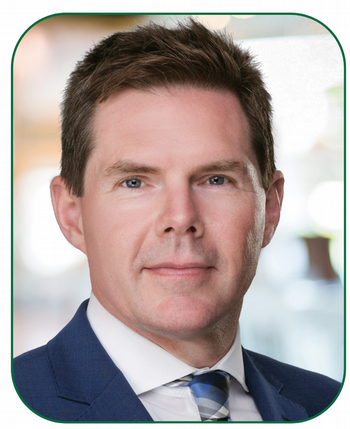
Dr. Grant Isaac
President and Chief Operating Officer
Cameco Corporation
With 16 years of experience in executive roles at Cameco, Grant's responsibilities have spanned almost the entire scope of the business. Grant joined Cameco as senior vice-president, corporate services in July 2009, was appointed to senior vice-president and CFO in July 2011, followed by the appointment to executive vice-president and CFO in February 2023.
In September 2025, Grant was appointed to president and chief operating officer.
As president and chief operating officer, Grant will provide executive oversight for all Cameco operations, exploration and corporate development. Grant also continues to provide executive oversight for Cameco's commercial and financial strategy including global marketing, corporate strategy and effectiveness and sustainability and stakeholder relations.
Prior to joining Cameco, he was a professor at the Edwards School of Business, University of Saskatchewan beginning in 2000 and was appointed as the Dean of the Edwards School of Business in 2006.
Grant received a BA (economics) and an MA (economics) from the University of Saskatchewan and a PhD from the London School of Economics.
|
 |
| Closing Keynote |
BIOGRAPHY:
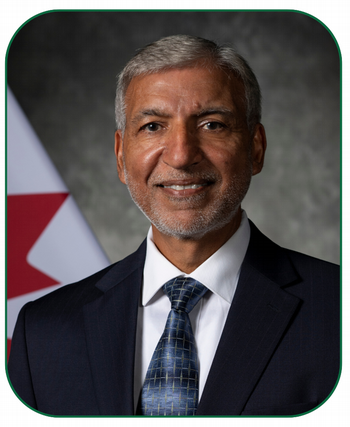
Dr. Jaspinder Komal
Assistant Deputy Minister, Defence Research and Development CanadaDr. Jaspinder Komal became the Assistant Deputy Minister, Defence Research and Development Canada in 2022. He is responsible for ensuring national leadership in defence science and technology through the development and delivery of new solutions and advice to National Defence, the Canadian Armed Forces and various partners.
Before his appointment, Dr. Komal served as the Vice President of Science Branch at the Canadian Food Inspection Agency (CFIA) from 2018-2022. Dr. Komal graduated from the Faculté de médecine vétérinaire at the Université de Montréal in Saint-Hyacinthe, Quebec, with a degree in veterinary medicine and a post-graduate degree in veterinary microbiology. Over the course of his career, Dr. Komal has gained extensive and diversified experience as a senior scientific leader, having advanced key government of Canada (GoC) priorities and building collaborative partnerships within government, academia and industry. |
 |
| NEW! Public Lecture |
BIOGRAPHY:
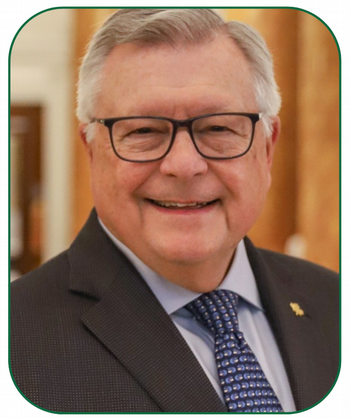
Ralph Goodale
Canada’s former High Commissioner in the United Kingdom and previously a senior Minister in the Government of Canada
Raised on a family farm near Wilcox, Ralph Goodale is a graduate of the University of Saskatchewan in both Arts and Law. He has practical experience in agriculture, business, law and broadcasting, as well as more than 40 years in federal and provincial politics. He served in the Cabinets of three different Prime Ministers with portfolio responsibilities for agriculture, natural resources, public works, finance and public safety. In 2021, Mr. Goodale joined the diplomatic corps as Canadian High Commissioner in the United Kingdom, leading Canada’s oldest and second-largest foreign mission during a period of extraordinary geo-political turbulence. In the spring of 2026, he became a member of the Prime Minister’s Advisory Committee on Canada-US economic relations. To learn more and to Register click here |
 |
Session Details
Panel | Indigenous Workforce Development: Governance and Economic Participation
Date: Wednesday October 21, 3:00pm – 4:30pm
Session Description: This panel will examine Indigenous workforce development through the interconnected lenses of governance, jurisdiction and economic participation. It will explore how these three distinct groups support meaningful participation in resource development and related economic opportunities. The discussion will explore how workforce issues are shaped by broader questions of rights, self-determination and community benefit.
Meet Our Speakers
|
|
Moderator Dawn Pratt is a member of the Muscowpetung Anihšināpēk Nation. With varied experience in science education and an indomitable spirit, she has forged a professional consultancy company, askenootow STEM, as an Indigenous STEM Educational expert for the past 20 years (STEM = science, technology, engineering, and math). Dawn earned a Master of Science degree with a specialization in the design of organic adsorbent materials directed toward the removal of arsenic from contaminated water (University of Saskatchewan, 2011). |
|
Chief of the Lac La Ronge Indian Band and the president of Kitsaki Management Limited Partnership, Canada |
Panelists
|
|
Reagan Harding Director of Economic Development and Major Projects Métis Nation-Saskatchewan, Canada |
Panelists Reagan Harding is a proud Métis citizen and the Director of Economic Development and Major Projects at Métis Nation–Saskatchewan. In this role, he is helping lead the Nation’s transition from accommodation agreements toward direct ownership and long-term participation in major projects. His work advances Indigenous equity and co-ownership in renewable energy, oil and gas, and mining, supported by the corporate structures and governance needed to make ownership financeable and sustainable. Reagan is a Certified Financial Modeling and Valuation Analyst and holds an MSc in Business Management from Durham University in the United Kingdom and a BSc from Lake Erie College in the United States. |
|
John Desjarlais Executive Director - AISES Chief Impact Officer - kihew Consulting, Canada |
Speaker John Desjarlais, P.Eng., MBA, PsGov, is the CIO at Kihew Consulting and Research, an Indigenous owned and managed consulting firm focused on creating sustainable and generational impact for all clients including Indigenous organizations and communities. He is Nehinaw (Cree)–Métis from Kaministikominahikoskak (Cumberland House), Saskatchewan. |
 Dawn Pratt
 Chief Tammy Cook-Searson

Panel | Critical Resources, Critical Choices: Energy Security in Transition
Date: Thursday October 22, 9:00am – 10:30am
Session Description: As the world transitions to cleaner sources of energy, including renewables and nuclear, countries around the globe are seeking stable partners to strengthen their energy security. Canada and Saskatchewan are emerging as leaders in energy and mineral resources that are essential to this transition. This panel addresses both the challenges and enormous opportunities that Saskatchewan can play in the global energy system of the future.
Meet Our Speakers
|
Board Member, University of Saskatchewan Board of Governors Former President and Chief Executive Officer, SaskPower, Canada |
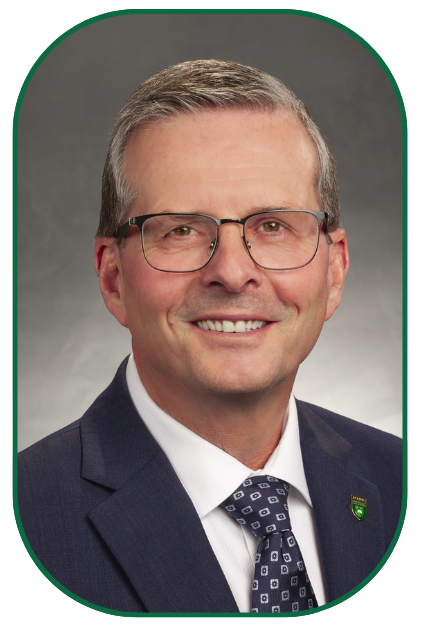
Moderator Mike Marsh is the former President & CEO of SaskPower and spent 30 years of a 42-year working career with the corporation before retiring at the end of 2021. He joined the Executive Leadership Team beginning in 2008 as Vice-President of Transmission & Distribution, became Chief Operations Officer in 2012, and then President & CEO in 2015. During his time at SaskPower, he helped lead the company through an extensive period of growth including the build out of generation, distribution and transmission infrastructure over that period. The company and province also moved forward with an expanded sustainability program including renewables, gas generation and the integrated carbon capture facility. Mike has served on several boards including the Canadian Electricity Association, STARS Air Ambulance, and is currently on the University of Saskatchewan Board of Governors. He lives in Saskatoon with his wife, Maureen, and family. |
|
Senior Fellow and Director of Natural Resources, Energy, and Environment The Macdonald-Laurier Institute, Canada |
Panelists Heather Exner-Pirot is a Senior Fellow and Director of Natural Resources, Energy, and Environment at the Macdonald-Laurier Institute. She serves as a Special Advisor to the Business Council of Canada, and Managing Editor of the Arctic Yearbook. She is an internationally recognized scholar and policy expert whose work focuses on natural resource development, energy security, critical minerals, Arctic governance, Indigenous economic participation, and Canadian competitiveness.
|
|
Director, Nuclear Business & Governance SaskPower, Canada |
Panelists Scott Hunter is new to the nuclear world, having started his role with SaskPower as the Director, Nuclear Business & Governance, in March 2026. He is a seasoned public administrator with extensive experience in trade and export development, and international relations. His current work focuses on nuclear business and governance for the development of nuclear power in Saskatchewan, which includes non-technical areas such as planning, legal, external engagement, indigenous relations, governance, finance, and human resources. Scott holds a PhD in Public Affairs from the University of Colorado, Denver. |
|
Science Counsellor, Head of Science Embassy of the Federal Republic of Germany in Ottawa, Canada |
Panelists Torsten Geissler works as the Science Counsellor at the Embassy of the Federal Republic of Germany to Canada in Ottawa ON. With a doctoral degree in Economics (labor market analysis), he has over two decades of work experience at his home ministry, the German Federal Ministry of Research, Technology and Space, where he held multiple roles in different policy areas (education, strategy, innovation); he also built up an internal audit unit in the ministry, before he moved to the department of life sciences during the pandemic. Being head of science at the German Embassy, he focusses on cooperation in research priorities like quantum and AI, fusion energy, ocean and arctic research, Space research and life sciences, as well as the cross-sectional issues research security, open science, Horizon Europe and science diplomacy in general. |
|
Director, International Office Trade and Export Development (TED), Government of Saskatchewan, Canada |
Panelists Chris Riviere is a Saskatchewan public-sector leader specializing in international trade, investment attraction, and economic engagement. Based in Regina, he serves as Director, International Engagement with the Government of Saskatchewan's Ministry of Trade and Export Development, with responsibility for Saskatchewan's engagement in key international markets including India, China and Vietnam. His work focuses on strengthening Saskatchewan's international relationships, advancing trade and investment opportunities, and connecting Saskatchewan businesses and industries with global partners. His professional experience includes extensive engagement with business, government and international stakeholders, with a particular focus on Saskatchewan's competitive strengths in areas such as agri-food, energy, critical minerals, investment and international commerce. |
 Mike Marsh
 Dr. Heather Exner-Pirot
 Dr. Scott Hunter
 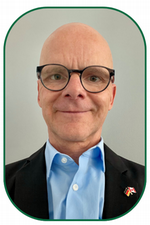 Torsten Geissler
  Chris Riviere
Panel | Health and Sustainable Development: Lessons from the Well-being Economy
Date: Thursday October 22, 1:30pm – 3:00pm
Session Description: In resource rich countries, developing sustainable methods for optimal natural resource use is a challenge. To do so, a balance between short, medium and long-term community and regional impacts must be considered. This panel will explore how to incorporate a well-being economy approach to help guide sustainable development in Canada and beyond. Using findings from global case studies, the panel will explore ways to advance this challenge at local, regional, national and international levels.
Meet Our Speakers
|
Dr. Cory Neudorf Professor, Department of Community Health and Epidemiology, College of Medicine – University of Saskatchewan, Canada |
Moderator Dr. Neudorf is a Professor in the Department of Community Health and Epidemiology, College of Medicine, University of Saskatchewan. He is the former Senior Medical Health Officer of the Saskatchewan Health Authority and former Chief Medical Health Officer with the Saskatoon Health Region. He received his medical degree from the University of Saskatchewan, a Master of Health Science degree (Community Health and Epidemiology) from University of Toronto, and is a Fellow of the Royal College of Physicians and Surgeons of Canada with Certification in the specialty of Public Health & Preventive Medicine. He has held various leadership roles in Public Health at the national level in Canada, including:
In 2020, he was awarded the R.D. Defries medal by the Canadian Public Health Association for outstanding contributions in the broad field of public health. He is currently serving on the editorial board of the Canadian Journal of Public Health and the Strategic Analytic Advisory Committee of the Canadian Institutes for Health Information. He is co-founder and President of the Urban Public Health Network of Canada and is a liaison member with the Regions for Health Network (WHO Europe). His research interests include: intervention research to improve health equity; public health systems and services research; health status indicators and surveys; and integrating population health into health system performance improvement and strategic planning. He is the co-lead of the Health and Wellness signature area for the University of Saskatchewan. |
|
Dr. Dina von Heimburg Head, WHO Collaborating Centre on Well-being and Social Sustainability The Norwegian University of Science and Technology (Norway)
|
Panelists Dina von Heimburg, PhD, is Associate Professor at the Norwegian University of Science and Technology (NTNU), where she heads the WHO Collaborating Centre on Well-being and Social Sustainability and co-leads NTNU WellFare, the Nordic Research Center for Wellbeing and Social Sustainability. Her work asks how societies can be organised so that wellbeing, dignity and fairness are produced for all, spanning relational welfare, co-creation of public value, social participation and the wellbeing economy. She sits on the New Economics Expert Group of WHO/Europe's Universal Wellbeing Economy Initiative and contributed to WHO country deep dives on the wellbeing economy in Finland, Iceland, Scotland and Wales, and to policy briefs on institutionalising social participation in health system governance. She led the Norwegian team on the Marmot review of health inequalities, the first to recommend a wellbeing economy for health equity, and brings over a decade of experience in public health planning and policy.
|
|
Dr. Gaynor Watson-Creed Associate Dean, Serving and Engaging Society & Interim Division Head, Division of Public Health and Preventive Medicine, Community Health and Epidemiology Dalhousie University, Canada |
Panelists Dr. Gaynor Watson-Creed is the Associate Dean of Serving and Engaging Society for Dalhousie University’s Faculty of Medicine, Interim Division Head for the Division of Public Health and Preventative Medicine, and Chair of the Board of Engage Nova Scotia. She is a public health specialist physician with over 20 years experience, having served as the former Medical Officer of Health for the Halifax area and Deputy Chief Medical Officer of Health for Nova Scotia. She served as a member of the One Nova Scotia Coalition economic strategy table in Nova Scotia and in 2023 served on the federal Task Force on Women in the Economy. She also served on the Province of Nova Scotia’s Environmental Racism Panel, which was created by the provincial government in 2023. Dr. Watson-Creed has an MD from Dalhousie University, an MSc from the University of Guelph, a BSc from the University of Prince Edward Island, and honorary doctorates from Acadia University and the University of Prince Edward Island. She sits as chair or member of several national population health councils and boards, including being appointed to the Advisory Board for the Institute of Population and Public Health of the Canadian Institutes of Health Research. She is a passionate advocate for high-quality public health services and anti-oppressive health care in Canada. |
|
Sandrine Dixson-Declève Honorary President, the Club of Rome Executive Chair, Earth4All |
Panelists Sandrine Dixson-Declève served as Co-President of the Club of Rome from 2018-2024 and now acts as its Honorary President while leading as the Executive Chair of Earth4All and the Brussels based Systems Transformation Hub, both promoting economic, financial and governance systems change for a sustainable future enhancing well-being. She sits on the Climate Governance Commission and the newly formed WHO Pan European Climate & Health Commission. She has advised governments, businesses, and international organizations, chaired the European Commission’s Expert Group on Economic and Societal Impact of Research & Innovation (ESIR), and serves or has served on Boards and advisory boards of Climate KIC, Laudes Foundation, Imperial College London, UCL, BMW, UCB and EDP. A TED speaker and author, she co-wrote Earth for All: A Survival Guide for Humanity and advocates for bold climate action, economic reform, and social equity to address global challenges. Sandrine currently teaches at the College of Europe. |




Concurrent Session | Global Minerals and Energy: Strategic Partnerships, Security, and the Future of Supply
Date: Wednesday October 21, 11:00am – 12:30pm
Session Description: International partnerships are becoming central to supply chain security and sustainable development as the global demand for critical minerals and energy accelerates. This session will examine how countries and established energy markets are navigating resource development, geopolitical pressures and investment dynamics. Panelists will share perspectives on collaborations, policies and innovations that are shaping the future of minerals and energy systems.
Meet Our Speakers
|
Director, International Office International Office, Trade and Export Development (TED), Government of Saskatchewan, Canada |
Moderator Chris Riviere is a Saskatchewan public-sector leader specializing in international trade, investment attraction, and economic engagement. Based in Regina, he serves as Director, International Engagement with the Government of Saskatchewan's Ministry of Trade and Export Development, with responsibility for Saskatchewan's engagement in key international markets including India, China and Vietnam. His work focuses on strengthening Saskatchewan's international relationships, advancing trade and investment opportunities, and connecting Saskatchewan businesses and industries with global partners. His professional experience includes extensive engagement with business, government and international stakeholders, with a particular focus on Saskatchewan's competitive strengths in areas such as agri-food, energy, critical minerals, investment and international commerce. |
|
President & CEO Saskatchewan Research Council, Canada |
Speaker Mike Crabtree is President and CEO of the Saskatchewan Research Council (SRC), Canada's second-largest research and technology organization, where he leads efforts to advance innovation, including the development of North America’s first fully integrated rare earth element (REE) processing facility. With more than 30 years of international experience across oil and gas, renewable energy and critical minerals, Mike has held senior executive roles with Schlumberger and Carbon Engineering. He also founded his own technology company, growing it from startup through to its successful sale in 2011. Mike serves as a director and board chair for several private companies and works with private equity firms and investors to evaluate opportunities and support company growth. His expertise spans operations, R&D, technology commercialization and strategic leadership. His contributions have been recognized through numerous honours, including the Queen Elizabeth II Platinum Jubilee Medal and the Premier’s Award for Excellence in Public Service. He holds a master’s degree in petroleum engineering and a degree in chemistry. |
|
President & CEO Saskatchewan Trade & Export Partnership, Canada |
Speaker Chris Lane is the President & CEO of Saskatchewan Trade & Export Partnership (STEP), a member-driven, non-profit organization dedicated to advancing Saskatchewan’s export economy. STEP works in partnership with provincial exporters and emerging exporters to help Saskatchewan businesses access global markets, diversify customer bases, and grow international sales. Through market intelligence, trade missions, and business development programming, STEP connects Saskatchewan suppliers with opportunities around the world.
|
|
Scientist G and Head, Hydro, Bio & Electrometallurgy Department CSIR Institute of Minerals and Materials Technology, India |
Speaker Dr. Kali Sanjay, Chief Scientist at the Council of Scientific and Industrial Research’s Institute of Minerals and Materials Technology, Bhubaneswar, India, leads the Hydro, Bio & Electrometallurgy Department, Business Development, and the Centre of Excellence on Critical Minerals under the National Critical Mineral Mission of the Ministry of Mines. With over three decades of experience, he specialises in developing technologies for recovering critical metals from ores, wastes and secondary resources. He has authored 60+ research publications, holds 7 patents, and contributed to 100 research and technology projects, resulting in 17 technologies and processes. He serves on Indian national bodies, including committees on Critical and Strategic Minerals and Nickel and Cobalt, and chairs a Bureau of Indian Standards committee on aluminium-industry feedstocks. His international engagements span Australia, Canada, South Korea and Europe. He is a Professor at the Academy of Scientific and Innovative Research, advancing sustainable resource security. |
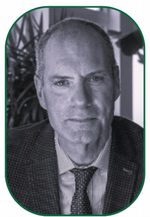 Mike Crabtree
 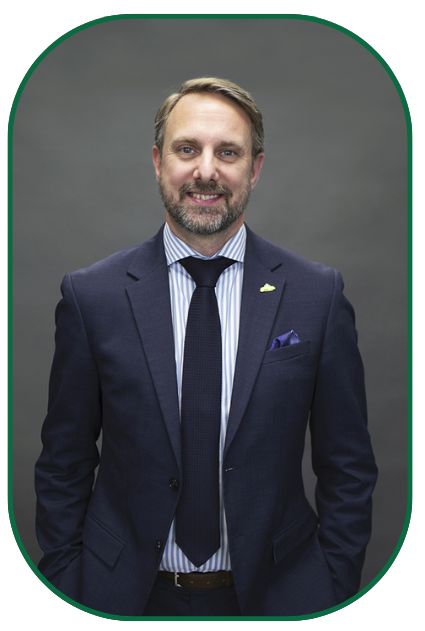 Chris Lane
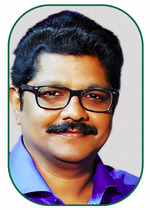 Dr. Kali Sanjay
 Concurrent Session | Energy and Technology: New Pressures and Innovations
Date: Wednesday October 21, 11:00am – 12:30pm
Session Description: Artificial Intelligence (AI) is a powerful tool that can advance many areas of our daily lives. However, AI’s immense energy needs and environmental impacts, such as heat emissions, are affecting communities around the world that are hosts to AI data centres. How will we meet the energy needs and solve the environmental impacts required to develop this powerful tool and make it available to everyone? What should change: our computers or the grid itself?
Meet Our Speakers
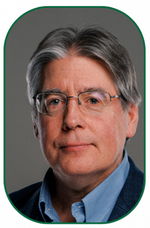
|
Dr. Shelley Kirychuk Director, Canadian Centre for Rural and Agricultural Health Professor, College of Medicine, University of Saskatchewan, Canada |
Moderator Dr. Kirychuk is Director of the Canadian Centre for Rural and Agricultural Health (CCRAH) and professor in the Department of Medicine at the University of Saskatchewan. CCRAH supports farmers and rural people to live and work healthy and safe by developing and offering programs, resources, and services for rural communities, that are informed by the research evidence of the Centre. The Centre has an almost 40-year history of working with Saskatchewan’s rural municipalities, with 207 of Saskatchewan’s rural municipalities participating in our programming for farmers and rural schools. The Centre actively supports farmer and rural health and safety across Canada, including partnering in the establishment of the Canadian Agricultural Safety Association, the Canadian Agricultural Injury Surveillance program, the Canadian Coalition for Agricultural Safety and Health, and the Canadian Rural Health Research Society. |
|
Executive Director Global Institute of Energy, Minerals and Society (GIEMS), Canada |
Speaker Tom started his career in the field of heavy industrial manufacturing for power generation equipment in 1989 at a then brand-new company, Hitachi Canadian Industries Ltd. Over the next 26 years he worked in many roles to support the needs of a growing business and in 2006 was appointed the first Canadian President and CEO of the Canadian operations. Tom started his consulting business, TPK Management Consulting Inc., in 2020 to continue supporting organizations in their development journeys. He is currently serving as the founding Executive Director of the Global Institute for Energy, Minerals and Society (GIEMS) and is a Director of Max Power Mining Corp. and Rivercity Innovations Inc. Tom is also Chair of the USask College of Engineering Dean’s Advisory Board. He has a BSc and MSc in Mechanical Engineering from the University of Saskatchewan. |
|
John Desjarlais Executive Director - AISES Chief Impact Officer - kihew Consulting, Canada |
Speaker John Desjarlais, P.Eng., MBA, PsGov, is the CIO at Kihew Consulting and Research, an Indigenous owned and managed consulting firm focused on creating sustainable and generational impact for all clients including Indigenous organizations and communities. He is Nehinaw (Cree)–Métis from Kaministikominahikoskak (Cumberland House), Saskatchewan. |
|
Dr. Steven Rayan Director, Centre for Quantum Topology and Its Applications (quanTA) and Professor, Mathematics and Statistics College of Arts and Science, University of Saskatchewan, Canada |
Speaker Dr. Steven Rayan is a quantum scientist based at the University of Saskatchewan (USask) since 2016. He specializes in quantum computing, quantum artificial intelligence, and quantum matter. He earned his doctorate from the University of Oxford in 2011 research fellowship at the University of Toronto . In addition to his role as full professor of mathematics at USask, Dr. Rayan leads the Quantum Innovation Signature Area of Research and is the founding director of the Centre for Quantum Topology and Its Applications (quanTA). His work in quantum materials has been highlighted in Scientific American twice in the past three years, and one of his recent papers in the area was the first runner-up for the prestigious Cozzarelli Prize of the US National Academy of Sciences. In November 2025, Dr. Rayan was inducted into the College of the Royal Society of Canada for his work at the interface of mathematics and quantum science. |

 Tom Kishchuk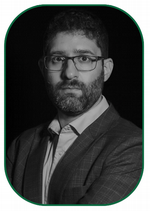
Concurrent Session | Biomining and Bioremediation: Biological Solutions for Sustainable Resource Development
Date: Thursday October 22, 11:00am – 12:30pm
Session Description: Biomining and bioremediation are enduring practical approaches that are part of the solution to reduce the environmental footprint of resource extraction while improving recovery of critical minerals. This session will examine how biological processes are being applied in mining operations and site remediation, with examples from industry and research. Panelists will discuss scalability, regulatory considerations, contributions to responsible resource development and the role of innovation in advancing more sustainable mining practices.
Meet Our Speakers
|
Dr. Karsten Liber Executive Director & Professor School of Environment and Sustainability, University of Saskatchewan, Canada |
Moderator Karsten Liber is the Executive Director of the School of Environment and Sustainability (SENS) at the University of Saskatchewan (USask). Professor Liber was also the inaugural executive director of SENS, leading its development from an approved concept to full implementation (2009-2012). He received the title of Distinguished Professor at the USask in 2014, was given a national award for Outstanding Contributions to Canadian Ecotoxicology in 2018, and was made a Fellow of the Society for Environmental Toxicology and Chemistry in 2019. Dr. Liber obtained his Ph.D. from the University of Guelph in Ontario in 1990. Dr. Liber is a widely recognized aquatic ecotoxicologist who is actively engaged in research related to metal accumulation in aquatic life and food crops, and in the environmental impacts of the mining and metals industry, specifically with respect to metal bioavailability, speciation and toxicity in aquatic ecosystems.
|
|
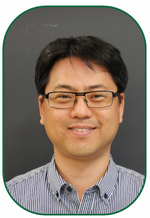
Dr. Wonjae Chang Professor of Environmental Engineering, College of Engineering, University of Saskatchewan, Canada |
Speaker Dr. Wonjae Chang, PhD (McGill), P.Eng., is a Professor of Environmental Engineering at the University of Saskatchewan. He is a researcher, educator, and innovator dedicated to advancing technologies for environmental remediation, reclamation, and redevelopment. He has collaborated with 15 industry partners across Canada’s energy, potash mining, and agricultural sectors on the development and application of innovative remediation technologies for contaminated soil, groundwater, and agricultural water resources. Dr. Chang has also contributed to the development of waste-to-value processes using potash mining byproducts (tailings) and indigenous microorganisms. In addition, he has developed innovative engineered minerals for the cost-effective passive treatment of brine-impacted soil and water resources. Currently, he is developing a hybrid technology that synergistically integrates salinity remediation and bioremediation in collaboration with Canada’s energy industry.
|
|
Dr. Katherine Stewart Associate Professor of Soil Science, College of Agriculture and Bioresources, University of Saskatchewan, Canada |
Speaker Dr. Katherine Stewart is an Associate Professor in the Department of Soil Science at the University of Saskatchewan. Her research and teaching focusses on remediation and restoration of arctic, alpine and boreal terrestrial environments. Her research group works with belowground soil systems, early successional soil surface communities and native vascular plants allowing for an integrated approach to examining both the impact and remediation of contaminants in the environment. As part of the restorative process, she works with Industry partners and Indigenous communities to find new ways to build relationships that promote collaborative environmental decision making and community-based restoration.
|
|
Dr. Joyce McBeth Associate Professor of Earth Sciences University of Regina, Canada |
Speaker Dr Joyce McBeth is an Associate Professor in the Department of Earth Sciences at the University of Regina. Her expertise is in microbial interactions with the geosphere including metal(loid) transformations mediated by microbes in mine wastes. Her current research includes studies of microbes in mine tailings and wastewater treatment systems and synchrotron approaches applied to mine-related remediation. Prior to joining the University of Regina, Dr. McBeth was an Assistant Professor at the University of Saskatchewan (2015-2020) and a Research Scientist at the Canadian Light Source synchrotron (2012-2015). |



Concurrent Session | Supporting Thriving Communities: Working Together to Steward Resources for a Sustainable Future
Date: Thursday October 22, 11:00am – 12:30pm
Session Description: As the global demand for critical minerals accelerates the clean energy transition, communities sit at the center of opportunity. But with any opportunity comes risk. This session examines how sustainable energy pathways can—and must—support human health, social equity and long-term community wellbeing and environmental protection, ensuring that the transition creates truly thriving communities.
Meet Our Speakers
|
Dr. Vicki Squires Professor, Education Administration College of Education, University of Saskatchewan, Canada |
Moderator Dr. Vicki Squires recently completed her term as the Associate Dean, Research, Graduate Support and International Initiatives and is a Professor in the Department of Educational Administration in the College of Education at the University of Saskatchewan. Her areas of research are post-secondary education and student well-being; supporting mental health and wellbeing requires collaboration among units and a systems approach. Dr. Squires has been the lead of multiple grants exploring the implementation of the Okanagan Charter on campuses in Canada and globally. She has published and presented on the work of health promoting universities and the Okanagan Charter; she is also the lead editor on a co-edited book that includes international co-authored chapters written by researchers involved in health promotion efforts on their campuses. |
|
Assistant Professor, Johnson Shoyama Graduate School of Public Policy Director, Canadian Centre for the Study of Co–operatives – University of Saskatchewan, Canada
|
Speaker Marc-André Pigeon is the director of the Canadian Centre for the Study of Co-operatives and an assistant professor in the Johnson Shoyama Graduate School of Public Policy (JSGS). His research centers around the study of co-operatives, governance, and money and banking. Before joining JSGS, Dr. Pigeon worked as vice president, advocacy (interim) and assistant vice president of financial sector policy at the Canadian Credit Union Association, as an advisor at the Department of Finance, a lead analyst for two Parliamentary committees (Senate Banking, Trade and Commerce; House of Commons Finance), an economist at the Levy Economics Institute, and a business reporter for Bloomberg Business News.
|
|
Dr. Lori Bradford Associate Professor, Canada Research Chair (CRC) Tier 2 in Social and Cultural Decision Making in Engineering Design Ron and Jane Graham School of Professional Development College of Engineering, University of Saskatchewan, Canada |
Speaker
Dr. Lori Bradford is an Associate Professor in the Ron and Jane Graham School of Professional Development in the College of Engineering at the University of Saskatchewan, where she holds a Canada Research Chair in Incorporating Social and Cultural Sciences into Engineering Design. Her interdisciplinary research focuses on how communities, institutions, and decision-makers understand and respond to complex environmental, technological, and public-policy challenges. Her work draws on social psychology, participatory research, co-design, and community-engaged methods, with particular attention to accessibility, equity, Indigenous engagement, and the ways that knowledge is translated into decisions. Lori works across engineering, health, environmental science, and community-based research, and is committed to making research and decision-making processes more inclusive, transparent, and responsive to the people most affected by them.
|
|
Dr. Doug Clark Professor School of Environment and Sustainability, University of Saskatchewan, Canada |
Speaker
Douglas Clark is a professor at the University of Saskatchewan’s School of Environment and Sustainability, which he joined in 2009 as the Centennial Chair in Human Dimensions of Environment and Sustainability. Dr. Clark’s research focuses on human-wildlife interactions, often integrating traditional and local knowledge with scientific approaches to identify and secure common interests. Since 2011 he has studied polar bear-human interactions on the west coast of Hudson Bay. Before his academic career he served in six different Canadian national parks, including as the first Chief Warden of Wapusk National Park, Manitoba, where at the time human visitors were outnumbered by polar bears twenty to one. Doug's commitment to respectful engagement and long-term partnerships has made him a trusted contributor to research initiatives across Canada’s north, a strong advocate for community-led solutions, and a dedicated mentor for helping his students learn how to conduct knowledge co-production research.
|

 Dr. Marc-André Pigeon

Public Lecture
The Turmoil of our Times: Reflections on Canadian resources and values
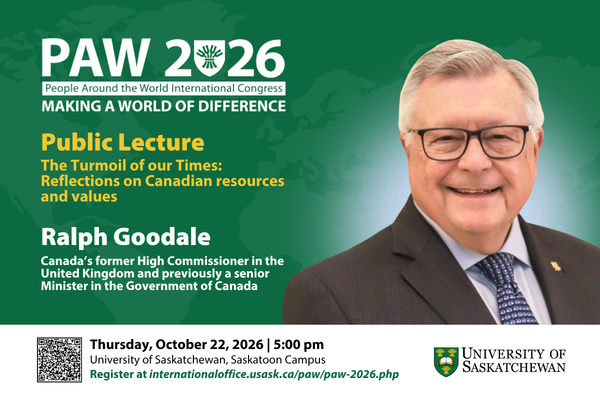
Ralph Goodale, Canada’s former High Commissioner in the United Kingdom and previously a senior Minister in the Government of Canada
Former MP, federal Cabinet Minister and diplomat, Ralph Goodale, reflects on the global attention being paid to Canadian resources, Canadian leadership and Canadian values - critical assets in growing demand in a divided and dangerous world.
Free public lecture, Registration is required.
Student and Postdoctoral Fellow Poster Competition
The Student and Postdoctoral Fellow Poster Competition provides an excellent opportunity for students and postdoctoral fellows to showcase their research, receive valuable feedback from peers and experts, and connect with fellow researchers and professionals from across disciplines.
Why Participate?
The Poster Competition offers a unique opportunity to:
- Showcase research to a broad audience.
- Build presentation and communication skills.
- Network with students, faculty, researchers, and professionals
For questions, please contact international.office@usask.ca.
We are no longer accepting applications for the Poster Competition 2026.
Students and postdoctoral fellows are eligible to submit an abstract if they meet the following criteria:
- Are actively enrolled at University of Saskatchewan (USask) as a student, including undergraduate, graduate, exchange, visiting research student (VRS), and visiting student; or
- All students and postdoctoral fellows who are currently registered, hired or appointed at USask, whether as full or part-time students, members of a research team, or holding in-scope or external appointments, or
- A student registered for PAW 2026.
In addition, applicants must:
- Demonstrate how their research connects to the theme of the 2026 Congress or relevant SDG(s).
- Be actively enrolled in an undergraduate, master's, or doctoral program or be a current postdoctoral fellow, if applying in a postdoctoral capacity.
- Normally be the first author of the work being presented. Group research projects are welcome; however, only one individual may submit the abstract and serve as the official presenter.
- Submit only one abstract for consideration.
- Are conducting research under the supervision of a faculty member.
- Present work that reflects current or ongoing research, data collection, or analysis. Previously published or previously presented work may be subject to review and restrictions.
- If they have successfully defended their thesis or dissertation but have not yet officially graduated, they remain eligible to participate. Individuals who have formally graduated prior to the Congress are not considered active students and therefore are not eligible under the student category.
- Entries must be authorized for public website display and congress voting.
Fees:
- Participation in the competition is free of charge.
- The PAW Congress will pay for printing of posters*
*Posters must be printed by the Congress organizing committee and will be posted in the venue prior to the start of the Poster Competition.
Congress Registration:
- Students who are registered for the Congress are encouraged to submit an application to participate.
- Students who are not registered for the Congress may also submit an abstract and participate in the competition if the abstract is accepted. However, these participants will have access only to the Poster Competition and will not be eligible to attend other Congress activities and events.
Submission Guidelines:
- Abstract Length: Maximum 300 words.
- Required Structure: Background, Methods, Results, and Conclusions/Discussion.
- Submission Deadline: CLOSED
Authors of accepted abstracts will receive a targeted invitation with instructions for the Call for Posters process.
Presentation Format: All accepted abstracts will be presented as posters during the dedicated Poster Competition session. Details of the poster size will be provided to selected candidates.
We are no longer accepting applications for the Poster Competition 2026.
The Poster Competition will be evaluated through congress voting, giving Congress participants the opportunity to recognize the research that they find most engaging, impactful, and effectively communicated.
Throughout the Poster Competition session, attendees will be invited to view the posters, interact with presenters, and cast their votes for their favorite submissions. Voting will consider factors such as:
- Clarity and quality of the poster presentation
- Significance and relevance of the research
- Effectiveness of communication to a broad audience
- Engagement with attendees during the Poster Competitions
At the conclusion of the voting period, the posters receiving the highest number of votes win the prize awards. Award recipients will be announced via online and at the Congress Day 2 opening event, following the conclusion of the voting at the Poster Competition.
In addition, there will be an opportunity for a community choice winner, which will be open to congress participants and campus community who visit the poster competition. The community choice winner will not present but will be notified as the winner and receive a small prize.
The top three posters receiving the highest number of congress votes will be invited to present during the Congress program.
Top 3 winner 3-minute research showcase to PAW Congress attendees: Thursday October 22 at 8:30am
- Abstract Submission Deadline: September 16, 2026 (4:00pm)
- Notification of Acceptance: September 23, 2026
- Call for Poster from accepted candidates period: September 24 – October 7
- Deadline to submit poster details: October 7
- Poster Competition Event Date: Wednesday October 21 from 1:00pm – 2:45pm
- Top three 3-minute research showcase to PAW Congress attendees: Thursday October 22 at 8:30am
- First place: $200.00 CAD
- Second place: $100.00 CAD
- Third place: $50.00 CAD
- Community Choice Award: $50.00 CAD
Poster Entries
- Name: Prannav Jain
- Level of Studies: Master
- College: Public Health, University of Saskatchewan
- Field of Study: Radon risk in Saskatchewan
- Research Partner: Lung Sask
Brief Abstract: Radon is a naturally occurring radioactive gas and the second leading cause of lung cancer, causing approximately 3000 deaths in Canada every year. Saskatchewan is a radon hotspot, with approximately 1 in every 3 homes exceeding Health Canada’s guideline of 200 Bq/m3. Lung Saskatchewan provides testing, education, awareness and promotion resources to reduce the preventable risk of radon exposure. This practicum evaluated the impact of the current Lung Sask resources and developed new resources to strengthen radon testing in Saskatchewan. A one-shot mixed-methods case study was conducted through a survey questionnaire sent to 14520 past test purchasers from 2020 to 2026, along with website metric analysis of Lung Sask radon webpages. The evaluation identified knowledge gaps about Health Canada guidelines, encouragement from healthcare providers for radon testing, and available financial assistance for radon mitigation. Strengths of Lung Sask’s efforts identified included ease of test kit use, considerable interest in the mapping resource, and respondents frequently encouraged friends and family to test, demonstrating positive behaviour change. Practicum deliverables also included a radon readiness course for real estate professionals, a policy brief for the Saskatchewan Government and an email newsletter for radon retesting. Based on the evaluation, recommendations include expanding promotion through healthcare providers, real estate professionals, and home inspectors; improving the affordability of radon management library lending programs, government grants and action, and knowledge mobilization. Furthermore, there is value in developing the radon risk map through additional data partnerships with national and provincial organizations and adding features such as a pre- and post-mitigation map. These actions can strengthen radon health promotion and reduce radon-related lung cancer risk in Saskatchewan.
- Name: Majak Mapiour
- Level of Studies: Ph. D.
- College: Chemical Engineering, University of Saskatchewan
- Field of Study: Hemodialysis
- Supervisor: Dr. Amira Abdelrasoul
Brief Abstract: Membrane fouling caused by protein adsorption reduces the efficiency of filtration systems, particularly in bioprocessing and dialysis. We developed a predictive model that combines conventional foulant properties with molecular docking-derived hydrophobic and electrostatic interaction energies. The model introduces an analogous Hill coefficient to quantify cooperative and antagonistic fouling and link these effects to molecular interactions. It accurately predicts flux decline for single and binary foulants (R² ≈ 0.90–0.99), including strong cooperative fouling in albumin–humic acid mixtures. The developed framework connects molecular-scale interactions to filtration performance, enabling better prediction of complex fouling and supporting the design of improved membranes, pretreatment strategies, and process conditions for bioprocessing and dialysis.
- Name: Srimani Rojitha Hettikankanama Hettikankanamage
- Level of Studies: Ph. D.
- College: School of Environment and Sustainability, University of Saskatchewan
- Field of Study: Sustainable Cities, Urban Climate, Geospatial Science, and Climate-Resilient Urban Planning
- Supervisor: Dr. Varuni Jayasooriya, Dr. Sandun Dassanayake
Brief Abstract: Extreme heat is an increasing challenge for cities worldwide, while its spatial distribution varies with built surfaces, vegetation, water, and urban form. Consistent spatial approaches are needed to identify urban heat concentrations across different climatic settings and support heat-resilient planning. This study applies a consistent open-data Surface Urban Heat Island (SUHI) assessment approach across two contrasting urban and climatic contexts: tropical Colombo, Sri Lanka, and Saskatoon, Canada. MODIS Terra and Aqua land surface temperature observations were combined with land-cover information to quantify daytime SUHI relative to rural-reference conditions in both study contexts. Spatial autocorrelation was assessed using Global Moran’s I, while Local Indicators of Spatial Association (LISA) identified localized thermal clusters. In Colombo, the analysis identified strong positive daytime SUHI clustering at the 500-m analytical support (Moran’s I = 0.832, p < 0.001). In Saskatoon, June-August 2024 analysis produced a mean daytime temperature of 28.63°C for the rural reference and 30.99°C for built-up areas, corresponding to a mean built-up SUHI intensity of +2.36°C. Saskatoon similarly exhibited strong positive spatial autocorrelation (Moran’s I = 0.916; pseudo-p = 0.001; 999 permutations), with LISA identifying 732 significant High-High cells (14.7%) and 1,034 Low-Low cells (20.7%). The detection of significant spatial SUHI clustering in both cities demonstrates the applicability of the approach across two contrasting urban and climatic contexts. The findings demonstrate the potential of this reproducible approach for cross-city urban heat assessment and spatially informed heat-resilience planning. The research primarily advances SDG 11: Sustainable Cities and Communities by supporting evidence-based, heat-resilient urban planning and additionally contributes to SDG 13: Climate Action through locally informed urban heat adaptation.
Keywords: Climate Adaptation, Spatial Autocorrelation, Sustainable Cities, Surface Urban Heat Island, Transferability
- Name: Sharon Jacob
- Level of Studies: Undergraduate
- College: College of Medicine, University of Saskatchewan
- Field of Study: Obstetrics and Gynecology
- Supervisor: Dr. Peter Thiel
Brief Abstract: Background: Artificial intelligence (AI) scribes have the potential to reduce physician documentation burden; however, concerns remain regarding the quality and accuracy of AI-generated clinical documentation, particularly omitted or unsupported information. Gynecologic consultations rely on detailed menstrual, reproductive, and symptom histories, making documentation completeness particularly important. Objective: To compare the quality and accuracy of physician-generated, raw AI-generated, and physician-edited AI gynecologic consultation notes. Methods: This prospective paired-comparison study used standardized gynecologic patient encounters. Four consultant gynecologists and two senior residents each completed three encounters drawn from six scripted cases, yielding 18 encounters and 54 notes in total. Each encounter generated three documentation conditions: a physician-generated note, a raw AI-generated note, and a physician-edited AI note. Note quality was assessed using a modified Physician Documentation Quality Instrument-9 (mPDQI-9; range 8–40) and accuracy was accessed against a reference transcript using a 36-item case-specific checklist. Documentation time was recorded. Analysis was completed using repeated-measures ANOVA. Results: Mean mPDQI-9 scores were similar across physician-generated (31.5 ± 5.5), raw AI-generated (34.2 ± 3.8), and physician-edited AI notes (33.7 ± 3.8; p=0.12). The physician versus raw AI mean difference was −2.7 points (95% CI −5.4 to 0.1). Error rates were similarly low across conditions. Of 69 errors identified across 54 notes, 62 (89.9%) were omissions and seven (10.1%) were unsupported additions; no statements contradicted the reference transcript, and no clinically important errors were identified. Reviewing and editing AI-generated notes required 3.1 ± 2.8 minutes compared with 9.7 ± 4.1 minutes for independent physician documentation, saving a mean of 6.6 minutes per encounter (95% CI 4.6–8.5; p<0.001). Conclusions: AI-generated gynecologic consultation notes demonstrated comparable quality and accuracy to physician-generated documentation while substantially reducing documentation time.
- Name: Godfrey Stanley Namakhota
- Level of Studies: Ph. D.
- College: College of Human Sciences, University of South Africa (Unisa)
- Field of Study: Sociology
- Supervisor: Prof Mavhandu-Mudzusi, Azwihangwisi
Brief Abstract:This study explored the policy implications for the health and wellness needs of students identifying as lesbian, gay, bisexual, transgender, and intersex (LGBTI) within an Open Distance Learning (ODL) environment at the University of South Africa (UNISA). LGBTI individuals continue to experience discrimination, exclusion, stigma, and violence in societies where heterosexuality is often regarded as the norm. Despite these challenges, limited research has examined how university health and wellness policies address the needs of LGBTI students in ODL contexts. The study sought to investigate whether existing policies adequately respond to the health and wellness needs of LGBTI students and to identify policy gaps within the university. Previous research has failed to adequately address the policy implications of health and wellness services for LGBTI students in ODL environments. A qualitative approach, located within the interpretive paradigm, was employed using an exploratory research design. Data were collected through semi-structured interviews with five LGBTI students, two policymakers, and three policy implementers at UNISA. The data were analysed using inductive thematic analysis supported by NVivo 12 Pro. The study was guided by the Socio-Ecological Model and the Stigmatisation Model. The findings revealed the need for a student health and wellness policy that explicitly addresses the health needs of LGBTI students. Persistent stigma and discrimination within university support services were identified, alongside limited staff knowledge of LGBTI issues. The study recommends inclusive policy development, staff training on LGBTI matters, and increased representation of LGBTI-identifying personnel within student support structures to create a more inclusive and supportive university environment. Keywords: Sexual Orientation, Open Distance Learning, Health and Wellness, Policy, LGBTI.
- Name: Lizette Villa Alcaraz
- Level of Studies: Ph. D.
- College: College of Engineering, University of Saskatchewan
- Field of Study: Chemical Engineering – Advanced Oxidation Processes for Sustainable Wastewater Treatment
- Supervisor: Dr. Jafar Soltan
Brief Abstract: Background: Pharmaceutical residues are recognized as emerging contaminants in wastewater because conventional treatment processes may not completely remove them before effluent is discharged into receiving environments. Their presence highlights the need for effective and sustainable wastewater treatment technologies. This research evaluates UV-based advanced oxidation processes (AOPs) as potential treatment upgrades for improving pharmaceutical removal at the City of Saskatoon’s Wastewater Treatment Plant. Methods: This first phase investigates the degradation of two pharmaceutical contaminants, diclofenac (DCF) and sulfamethoxazole (SMX), using ultraviolet (UV) irradiation and UV combined with hydrogen peroxide (UV/H₂O₂). The kinetics alongside the effects of key operational parameters, including pH, treatment time, initial contaminant concentration, and H₂O₂ initial concentration, are systematically evaluated. Experimental design and statistical analysis are used to identify significant interactions and optimize treatment conditions. Results: The results demonstrate differences in treatment performance between UV and UV/H₂O₂ processes and show that treatment effectiveness strongly depends on time. H₂O₂ addition can enhance oxidation through the generation of highly reactive hydroxyl radicals (i.e. SMX achieved 85.2% of removal with the H₂O₂ addition after 1 hour, compared to only 26% with only UV), while treatment performance is also influenced by contaminant characteristics and the reaction environment. Differences in removal trends between DCF and SMX further demonstrate the importance of optimizing treatment conditions for individual contaminants. Conclusions/Discussion: This research provides an initial evaluation of UV-based AOPs and establishes a foundation for further investigation of advanced treatment technologies in collaboration with the City of Saskatoon. The broader research aims to identify practical and effective approaches for reducing pharmaceutical contaminants in municipal wastewater, contributing to sustainable water management, environmental protection, and healthier communities.
- Name: John Ackon
- Level of Studies: Undergraduate
- College: Faculty of Biosciences, University for Development Studies
- Field of Study: Biological Science
- Supervisor: Prof. Courage Saba
Brief Abstract: The global demand for critical minerals to drive energy transition has put mining under spotlight for its environmental and social impacts. The activities of extraction and processing may degrade the land, pollute water resources and fragment biodiversity, all of which are often highly focused at and near indigenous and rural communities where the decision power on resource use in their territory is limited. This poster introduces a conceptual approach to looking at the issue of balancing environmental protection and achieving thriving, resilient communities while practicing responsible mining. The framework builds on a synthesis of the literature relating to the environment, indigenous rights (including Free, Prior and Informed Consent), and industry sustainability standards (such as the ICMM Mining Principles and IFC Performance Standards), and identifies three interdependent pillars of responsible mining; environment (impact mitigation, progressive reclamation, and independent monitoring), community and indigenous engagement (co-governance, benefit-sharing agreements, and free, prior and informed consent), and long-term community wellbeing (economic diversification, health outcomes, and cultural continuity). The pillars are not mutually exclusive, but rather reinforcing and the analysis contends that the key to responsible mining practice is to see environment and social goals as one and the same, rather than as a separate compliance activity. This framework is an initial step for communities, industry and policymakers to consider the impact of mining projects through a more comprehensive vision of sustainability, one in which environmental integrity and community prosperity are not viewed as compromises but rather as "critical connections". Key words: Critical minerals, Responsible mining, Environmental impact, Indigenous engagement, Community wellbeing, Sustainable development. Conclusion: This submission reflects the PAW 2026 Congress theme, Critical connections: The path to responsible minerals, sustainable energy and thriving communities, and it demonstrates how the conference will relate to the UN Sustainable Development Goals (SDGs) of Life on Land (SDG15); Sustainable Cities and Communities (SDG11); Decent Work and Economic Growth (SDG8); Climate Action (SDG13); Health (SDG3).
- Name: Oladimeji Azeez
- Level of Studies: Ph. D.
- College: College of Engineering, University of Saskatchewan
- Field of Study: Biological Engineering
- Supervisor: Oon-Doo Baik
Brief Abstract: Dielectric properties govern the interaction of agricultural materials with radio-frequency (RF) electromagnetic fields and are essential inputs for RF heating process design, simulation, and optimization. However, dielectric properties measured on bulk grain beds are influenced by inter-particle air voids, rendering them configuration-dependent and non-transferable across packing densities. Furthermore, dielectric property data for faba beans — a rapidly expanding pulse crop in the Canadian Prairies — remain unavailable in the RF range. This study characterized the intrinsic dielectric properties of faba beans and developed predictive models as functions of moisture content, temperature, and frequency for RF processing applications. Bulk dielectric properties were measured using a parallel-plate test fixture coupled with an LCR/impedance analyzer over a frequency range of 5–40.68 MHz, moisture content of 10.34–20.14% (w.b.), and temperature of 20–100°C. Physical properties including bulk density, true density, and porosity were determined at each moisture level. Intrinsic (particle-level) dielectric properties were extracted from bulk measurements using dielectric mixture models (Complex Refractive Index, Landau–Lifshitz–Looyenga, and Lichtenecker), with the CRI model selected for its consistency and reported performance. A power-law empirical model was developed for the dielectric constant (ε′; R² = 0.977, RMSE = 1.92), while two models were developed for the loss factor: a semi-empirical model incorporating Debye relaxation and ionic conductivity terms (ε″; R² = 0.958, RMSE = 2.66) and a polynomial empirical model in log-transformed space (ε″; R² = 0.983, RMSE = 1.48). Both ε′ and ε″ increased with moisture content and decreased with frequency, consistent with Maxwell–Wagner interfacial polarization and ionic conduction mechanisms. Parity analysis confirmed strong agreement between predicted and observed values, with minor deviations at high-temperature, high-moisture conditions. The developed intrinsic property models provide density-independent, transferable inputs for RF electromagnetic simulations and process optimization across arbitrary bulk configurations.
- Name: Md Faisal Kabir Rozars
- Level of Studies: Ph. D.
- College: School of Public Health, University of Saskatchewan
- Field of Study: Cancer Research, with a specific focus on Lung Cancer
- Supervisor: Dr. Michael Szafron
Brief Abstract: Background: Chronic diseases and cancer are major contributors to poor health among Indigenous peoples in Canada. Although individual chronic conditions have been linked to cancer risk, less is known about how chronic disease burden affects cancer prevalence among Indigenous adults. This study examined whether chronic disease burden is associated with Indigenous adults in Canada having cancer.
Methods: Data from the 2022 Indigenous Peoples Survey (IPS) were used yielding a sample of 18,502 Indigenous adults aged 15 years and older for this work. Survey-weighted logistic regression was used to identifying any associations between the number of chronic diseases and having cancer, while controlling for age, gender, mental health status, and use of tobacco, cannabis, and alcohol. The associations are presented as adjusted odds ratios (aORs) and associated 95% confidence intervals (CIs).
Results: Higher chronic disease burden was associated with higher odds of having cancer (aOR = 2.67, 95% CI: 2.41-2.95, p < 0.001). Compared with adults aged 55 years and older, all younger age groups had significantly lower odds of having cancer (all p < 0.01). Men had a lower odds for having cancer (aOR = 0.75, 95% CI: 0.63-0.90). Self-reporting a mental health condition had lower odds of having cancer (aOR = 0.48, 95% CI: 0.38-0.61). Smoking in the home (aOR = 0.86, 95% CI: 0.66-1.13), alcohol use (aOR = 0.93, 95% CI: 0.77-1.12), and cannabis use (aOR = 1.13, 95% CI: 0.93-1.37) were not significantly associated with the odds of having cancer.
Conclusion: The findings suggest that multimorbidity may be an important consideration in cancer prevention.
Keywords: Chronic disease burden; multimorbidity; logistic regression; Indigenous health.
- Name: Junzhe Luo
- Level of Studies: Undergraduate
- College: Electrical Engineering and Computer Science, Technische Hochschule Luebeck
- Field of Study: Intelligent energy systems
- Supervisor: Christian Toebermann
Brief Abstract: Background: The rapid integration of Photovoltaics (PV), Electric Vehicles (EVs), Heat Pumps (HPs), and Battery Energy Storage Systems (BESS) presents unprecedented challenges to low-voltage grids. Operators face economic pressures to balance costly grid reinforcement with intelligent flexible operations, demanding scalable strategies adaptable across diverse topologies. Currently, naive Time-of-Use (ToU) pricing induces uncoordinated load synchronization, exacerbating spatial bottlenecks and causing secondary voltage collapses—a systemic "Tragedy of the Commons." Methods: This study utilizes a high-resolution digital twin of the German Kerber Village Network and develops an automated stochastic scenario generation framework to propose a decentralized multi-tier coordination strategy (S3). Designed for scalability, this approach enables the evaluation and fine-tuning of optimal parameters across realistic, multi-asset operational conditions. Using an analytical voltage sensitivity matrix derived from Jacobian inversion, S3 assigns asymmetrical voltage deadbands: EVs act as fast responders via V2G, HPs execute comfort-constrained load curtailment, and BESS provides critical support. Results: Dynamic power flow simulations of an extreme winter 2035 scenario reveal that pure price-driven (S2) control exacerbates spatial vulnerability. Conversely, S3 implicitly coordinates heterogeneous resources to effectively flatten system-wide voltage distributions and truncate extreme deviations. It successfully reduces the Voltage Violation Area (VVA) by over 85% compared to S1 (rule-based) and over 81% versus S2, while mathematically minimizing the System Net Cost (SNC). Conclusions: The S3 framework resolves the conflict between individual financial arbitrage and systemic grid physics. It guarantees user comfort while enhancing operational resilience, thereby deferring premature infrastructure reinforcement. Evaluating this strategy's robustness under asymmetric, unbalanced three-phase conditions remains a crucial next step.
- Name: Parnia Nikkhah
- Level of Studies: Master
- College: Chemical Engineering, University of Saskatchewan
- Field of Study: Technoeconomic and life cycle assement
- Supervisor: Dr.Vankatesh Meda
Brief Abstract: High-pressure processing (HPP) offers a non-thermal approach for preserving fruit-based products, but its integration into industrial powder production requires simultaneous evaluation of economic feasibility and environmental performance. This study assessed HPP-integrated production of a protein-enriched apple smoothie powder in Saskatchewan, Canada, with emphasis on the trade-off between grid electricity and photovoltaic (PV) electricity. The process was modeled in SuperPro Designer at a fresh-apple throughput of 3,000 kg h⁻¹, with HPP applied to the extracted apple stream at 600 MPa for 5 min before concentration, formulation, spray drying, and packaging. Techno-economic performance was evaluated under Saskatchewan grid and hypothetical PV-electricity cost scenarios, while cradle-to-gate environmental impacts were quantified in SimaPro using ReCiPe 2016 Midpoint (H). The modeled process produced approximately 4.095 million kg of powder annually. Under the base assumptions, the grid scenario required lower total capital investment (CAD 50.05 million vs. CAD 56.99 million), lower unit production cost (CAD 8.97 vs. 9.13 kg⁻¹), and achieved a higher net present value (CAD 71.29 million vs. CAD 64.13 million) than the PV scenario. In contrast, substituting grid electricity with PV electricity reduced global warming by 16.9%, terrestrial acidification by 14.0%, freshwater eutrophication by 70.3%, and water consumption by 3.1%. Monte Carlo analysis showed that the freshwater-eutrophication benefit of PV was the most robust, while no clear preference was observed for water consumption. Overall, the results demonstrate a critical connection between sustainable energy transition, industrial food-processing innovation, and economic viability. Renewable electricity can reduce electricity-sensitive environmental burdens, but economic performance remains strongly dependent on capital, operating, and market assumptions.
- Name: Narangerel Tseden-ish
- Level of Studies: Visiting Research Student (Graduate)
- College: College of Agriculture and Bioresources, University of Saskatchewan
- Field of Study: Rangeland Ecology, Plant Ecology, and Rangeland Restoration
- Supervisor: Dr. H.A. (Bart) Lardner
Brief Abstract: Degradation of Mongolia’s mountain steppe rangelands is increasingly associated with declining vegetation productivity, nutrient limitation, and high interannual climatic variability. Humic-based soil amendments may offer a potential approach for improving rangeland productivity; however, their effectiveness is likely to depend on application rate, seasonal timing, and prevailing environmental conditions.
A four-year field experiment (2021–2024) was conducted in degraded mountain steppe rangeland to evaluate plant and soil responses to humic fertilizer application. The experiment followed a factorial randomized complete block design with four replicates. Liquid humic fertilizer (MON HUMIC, Mongolia) was applied at 20, 40, and 60 g m⁻² (H20, H40, and H60), together with an unfertilized control, at three application timings: June, July, and June+July. Plant height, aboveground biomass, soil humus, available P₂O₅ and K₂O, and plant N, P, and K concentrations were assessed. Additional measurements in 2024 included soil δ¹³C, δ¹⁵N, C:N ratio, pH, and two soil depths.
Plant height differed significantly among years (p < 0.001), and the effect of fertilizer depended on application timing, as indicated by a significant Timing × Treatment interaction (p = 0.040). June application of H20 reduced plant height relative to the control (−7.37 cm; Dunnett-adjusted 95% CI: −14.59 to −0.15 cm), whereas July applications produced positive estimated responses, particularly under H40, although these contrasts were not statistically significant. Total aboveground biomass varied significantly among years (p < 0.001), application timings (p = 0.021), and fertilizer treatments (p = 0.002), while the Timing × Treatment interaction was not significant (p = 0.954). Fertilized plots generally showed positive estimated biomass responses, with the largest responses tending to occur at low-to-moderate application rates; however, individual Dunnett-adjusted comparisons with the control were not significant. Soil–plant nutrient relationships differed between Cleistogenes squarrosa and Stipa krylovii and were not consistently positive.
Overall, humic fertilizer responses were strongly context-dependent and varied with year, application timing, fertilizer rate, and plant species. Moderate application rates (H20–H40) generally produced the strongest estimated biomass responses, whereas increasing the rate to H60 did not provide a clear additional benefit. These findings indicate that the effectiveness of humic fertilizer in degraded mountain steppe rangeland depends more on appropriate rate–timing combinations than on increasing fertilizer input alone. Longer-term evaluation across contrasting climatic conditions is required to determine the persistence and ecological significance of these responses.
Keywords: humic fertilizer; application timing; aboveground biomass; plant height; soil–plant nutrient relationships; rangeland restoration; mountain steppe; Mongolia
- Name: Abukari Kwame
- Level of Studies: Postdoctoral Fellow
- College: College of Nursing, University of Saskatchewan
- Field of Study: Health Services Research
- Supervisor: Dr. Geoffrey Maina
Brief Abstract: Background. Clinical guidelines, protocols, and checklists are foundational instruments for governing healthcare delivery across global health systems. They standardize practice, reduce variability, ensure safety, and align practice with best evidence. Aim. This study applies institutional ethnography to explore how clinical protocols, guidelines, and action plans shape healthcare work and person-centred care (PCC) practices in maternal and newborn units in Ghana. Methods. We conducted text analysis of 33 national and institution-specific clinical protocols and guidelines through an institutional ethnographic lens. After compiling document names, sources, and functionality, we traced the ruling relations, care work, and standpoints to understand how these protocols and guidelines coordinate frontline care delivery practices. Results. Findings revealed that care is predominantly structured around biomedical thresholds, risk classification, and routinized documentation. Protocols translate patients into diagnostic categories through algorithmic processes that prioritize stabilization, referral, and adherence to standardized procedures. Also, while protocols and guidelines aim to ensure safety and consistency, they simultaneously constrain the relational, contextual, and participatory dimensions of PCC. Although the Ghanaian Patient’s Charter articulates a strong commitment to autonomy, informed choice, and respect, this discourse is less embedded in clinical protocols and guidelines that coordinate everyday clinical encounters. Discussion. The study shows that protocol‑driven care often overshadows relational engagement and shared decision‑making, thereby compromising the doctrine of patient autonomy. Care documentation functions as a disciplinary mechanism, constructing the “good health worker” as protocol‑compliant, risk‑aware, and accountable for institutional care outcomes, including maternal mortality prevention. Yet, the textual regimes position patients variously as clinical objects, recipients of instruction, rights‑holders, and institutional watchdogs, reflecting fragmented and sometimes contradictory expectations. Conclusion. Strengthening PCC in maternal units in Ghanaian hospitals requires reconfiguring the textual and institutional structures that organize care. Embedding relational prompts into protocols, supporting discretionary judgment, and aligning performance indicators with PCC principles are essential for advancing more holistic PCC.
- Name: Jasper Damaris Raja
- Level of Studies: Ph. D.
- College: College of Nursing, University of Saskatchewan
- Field of Study: Child poverty in armed conflict regions of South Sudan
- Supervisor: Dr. Solina Richter
Brief Abstract: Africa ranks second among the armed conflict regions in the world with the epicentre of child poverty in Eastern and Southern Africa. Southern Sudan, due to its colonial history, oil, religious and ethnic disputes, is continuously affected by the multifaceted child poverty before and after its independence in 2013. Child poverty includes monetary and global dimensions (i.e., health, education, and access to living standards) as well as context-specific intangible dimensions. The paucity of literature and personal experiences with South Sudanese refugees in Uganda emphasize the urgency to explore the cultural dimensions of child poverty to achieve Sustainable Development Goal 1 (SDG) using a multistage research design. The first stage (2026) includes scoping the dimensions of child poverty in armed conflict regions of Africa. The second stage (2027) will include exploring the culture of child poverty among the people of South Sudan in Palabak Refugee camp. Newly arrived parents/caregivers and professional stakeholders (schoolteachers, healthcare workers, community and religious leaders) will be recruited. I will use culturally grounded, decolonizing qualitative methods to explore how South Sudanese communities understand and experience child poverty. Critical social theory and the capability approach will guide the study’s conceptual framework. Critical ethnography will aid in exploring the deeper level of the culture of child poverty through socio-political lens to unravel the hegemony needs for social change. The data collected will be analysed using content and thematic analysis supported by NVivo software. The findings will be disseminated to the community through formal and informal channels to promote social change and contribute to ending child poverty in all forms, as per SDG 1. The study will contribute to culture relevant global child health nursing knowledge in conflict-affected regions, aiming to care for children affected by child poverty and address SDG 1.
- Name: Sherzodbek Khamdamov
- Level of Studies: Ph. D.
- College: College of Engineering, University of Saskatchewan
- Field of Study: Chemical Engineering – Hydrometallurgy and Critical Minerals Processing
- Supervisor: Dr. Alam Shafiq
Brief Abstract: Rare earth elements (REEs) are essential to many modern technologies, including permanent magnets, electric vehicles, wind turbines, electronics, and advanced energy systems. However, their supply is constrained by geographically concentrated primary resources, complex extraction processes, and significant environmental impacts associated with conventional mining and processing. These challenges have created growing interest in recovering REEs from secondary resources as part of a more circular and resilient critical-minerals supply chain. This research investigates the recovery of rare earth elements from secondary sources using hydrometallurgical processing. Potential feedstocks include end-of-life permanent magnets, electronic waste, fluorescent phosphors, spent catalysts, and industrial residues. The proposed process consists of feed pretreatment, selective leaching, impurity removal, solution purification, and recovery of high-purity rare earth products. Key operating parameters, including lixiviant type and concentration, temperature, reaction time, solid-to-liquid ratio, particle size, and the use of oxidizing or reducing agents, are evaluated for their influence on REE dissolution, selectivity, and overall recovery. Downstream separation techniques such as selective precipitation, solvent extraction, ion exchange, and crystallization are considered for separating REEs from major impurities and producing purified rare earth products. Process performance is assessed in terms of REE recovery, selectivity, reagent consumption, impurity removal, waste generation, and opportunities for water and reagent recycling. Particular emphasis is placed on reducing environmental impacts while improving the recovery of valuable critical materials. Overall, this research aims to develop efficient and sustainable strategies for recovering rare earth elements from secondary resources, thereby reducing dependence on primary mining, promoting circular resource use, and strengthening the supply of materials required for clean-energy and advanced-technology applications.
- Name: Susana Thais Pedroza Rodrigues da Cunha
- Level of Studies: Ph. D.
- College: College of Dentistry, University of Saskatchewan
- Field of Study: Dentistry
- Supervisor: Dr. Daniela Pita de Melo
Brief Abstract: Background: Geographic accessibility can shape whether health needs translate into access to care, particularly in remote Indigenous territories. This study examined whether geographic remoteness was associated with a territorial gap between recorded need for prosthetic dental treatment and recorded referral for prosthetic care across Indigenous territories in Brazil. Methods: We conducted a territory-level ecological cross-sectional study integrating 2024 oral health data from the Brazilian Indigenous Health Information System (SIASI) with the Brazilian Institute of Geography and Statistics (IBGE) 2018 geographic accessibility classification. The primary analysis included Indigenous territories with ≥100 assessed individuals and recorded prosthetic treatment need. Remoteness was measured as the proportion of municipalities associated with each territory classified as remote or very remote. The outcome was absence of any recorded prosthetic referral. Logistic regression adjusted for the absolute burden of prosthetic treatment need. Sensitivity analyses used a ≥50-assessed threshold and a multilevel model accounting for clustering within Special Indigenous Health Districts (DSEIs). Results: Among 317 Indigenous territories, absence of recorded prosthetic referral increased from 45.0% in territories with no remote municipalities to 58.6% in mixed-accessibility territories and 67.2% where all associated municipalities were remote or very remote. Greater remoteness was associated with higher odds of no recorded referral after adjustment for need burden (OR=2.66; 95% CI: 1.64–4.36; p<0.001). Results remained similar using the ≥50 threshold (OR=2.34; 95% CI: 1.51–3.66; p<0.001), while the association was attenuated after accounting for DSEI clustering (OR=1.89; 95% CI: 0.92–3.92; p=0.085). Conclusions/Discussion: Geographic remoteness was associated with a larger territorial gap between recorded prosthetic need and referral, while attenuation after DSEI clustering suggests that accessibility and health-service organization may jointly shape these disparities. Connecting oral health need, geographic access, and service response highlights an actionable dimension of health equity for thriving Indigenous communities and advances SDG 3 (Good Health and Well-Being) and SDG 10 (Reduced Inequalities).
- Name: Amina Arif
- Level of Studies: Undergraduate
- College: Arts and Science, University of Saskatchewan
- Field of Study: Biomedical
- Supervisor: Dr. Ethan Done
Brief Abstract: Modern agriculture is a highly intensive process that disrupts the natural soil microbiome through the use of toxic chemicals and processes such as artificial fertilizers, fungicides, and tilling. This reduces the ability of the soil and plants to support robust biomass production, leading to reduced yields. Bioinoculants are heterogeneous mixtures of organisms derived from natural sources such as compost that can be added to soil to restore the natural soil microbiome. H-Start is one such bioinoculant (HumaTerra Regen Ag Inc.). Previous research has suggested that the addition of H-Start can lead to up to a 25% increase in yields. As such, we aimed to elucidate the physiological impacts of H-Start by monitoring various aspects of growth for pea (Pisum sativum) using traditional measuring techniques. We found that H-Start increases the height of plants (p < 0.05), increases leaf area between days 56 and 63 after planting, increases yield during heat stress and low fertilizer conditions, and increases soil pH variability. Together, these results suggest that H-Start exerts a biological influence on both the soil microbiome and the plants that depend on it. Additionally, all the ingredients for H-Start and other bioinoculants can be sourced locally and require minimal processing. Thus, bioinoculants represent an input class that may become increasingly relevant in low-income areas, which often lack the economic ability to sustain food imports and simultaneously are the first to be affected by disruptions to the conventional agri-chemical supply chain.
- Name: Rutuja Kambale
- Level of Studies: Ph. D.
- College: Environment and Sustainability, CSIR- Institute of Minerals and Materials Technology
- Field of Study: Environmental Chemistry
- Supervisor: Dr. M. G. Sujana
Brief Abstract: Background: The transition toward electrification and renewable energy is increasing the demand for lithium-ion batteries and, consequently, the generation of battery-recycling wastes such as black mass. While black mass is primarily valued for its recoverable metals, its graphitic carbon fraction remains comparatively underutilised. Converting this carbon fraction into value-added materials could support more circular battery-recycling pathways while addressing environmental challenges associated with water contamination. Methods: This study investigates the valorisation of black mass-derived graphitic carbon (BGC) as an adsorbent for the removal of Cr(VI), As(V), and Hg(II) from water. BGC was subjected to acid leaching followed by thermal activation to produce activated battery black mass-derived graphitic carbon (ABGC). The material was characterised using TG-DTA, XRD, pHPZC, FESEM-EDS, FTIR and Raman spectroscopy. Batch adsorption experiments were conducted in single- and mixed-contaminant systems over an initial pH range of 2.5-8.5. Results: TG-DTA indicated high thermal stability, with 90.22% residual mass at 1000 °C under the experimental conditions, while XRD confirmed an ordered graphitic carbon phase. ABGC exhibited a pHPZC of 4.4, indicating pronounced pH-dependent surface-charge behaviour. Cr(VI) and As(V) removal decreased with increasing pH, whereas Hg(II) removal increased, reflecting pH-dependent surface charge and contaminant speciation. Similar trends were observed in mixed-contaminant systems. FTIR and Raman spectral changes after adsorption suggested interactions between the contaminants and surface functional groups, supporting a contribution from surface complexation in addition to electrostatic interactions. Conclusions: The findings demonstrate the potential of battery-derived graphitic carbon as a multifunctional, value-added material for water remediation. More broadly, the study presents a circular-economy approach that links battery-waste valorisation, resource recovery, environmental protection, and water-quality management, supporting more sustainable pathways.
- Name: Ode Chloe Ferrao None Nyangui
- Level of Studies: Undergraduate
- College: College of Arts and Science, University of Saskatchewan
- Field of Study: Environmental Geosciences
- Supervisor: Man-Yin Tsang
Brief Abstract: Fluid–rock reactions driven by hydrothermal circulation can leach metals from host rocks and subsequently redistribute and concentrate them during ore-forming processes. These processes have been widely studied in seafloor massive sulfide (SMS) systems, some of which contain high concentrations of economically valuable metals, including Cu, Zn, Ag, and Au. In 2015, exceptionally high Au concentrations of up to 275 ppm were reported from the Higashi Aogashima Knoll Caldera (HAKC), offshore Japan, where hydrothermal fluids discharge at relatively low temperatures (150 °C – 275°C). However, the mechanisms responsible for Au enrichment at the HAKC remain unclear. The geochemical compositions of rock samples from these hydrothermal fields were analyzed using ioGAS to investigate metal enrichment in altered volcanic rocks. The study area represents a bimodal volcanic setting with two main protoliths (rhyolitic and basaltic rocks), and thus the role of host-rock composition on elemental gains and losses associated with hydrothermal alteration were evaluated. Both rock types showed consistent gains in Au, Zn, Pb, Ba, Se, and U, indicating the deposition of native gold, sphalerite, galena, and barite, as well as losses in Ca and Na, indicating the breakdown of primary plagioclase. However, despite the similarities in the gains of some elements in both rock types, results have shown some discrepancies and anomalies found between both protoliths.
- Name: Barbara Araujo
- Level of Studies: Master
- College: Law, University of Saskatoon / Federal University of Uberlândia
- Field of Study: Human Rights
- Supervisor: Jamesy Patrick
Brief Abstract: The Anthropocene represents more than a geological designation; it reveals a profound ecological and normative crisis rooted in the anthropocentric model of human domination over nature. This crisis challenges conventional legal frameworks that conceive nature primarily as an object of protection and calls for new approaches to environmental governance and sustainable development. In this context, the Ecocene emerges as an ethical and political project grounded in ecocentrism and the recognition of nature’s intrinsic value. This study critically examines the legal feasibility of recognizing nature as a subject of rights and explores how this shift may contribute to more sustainable and responsible relationships between human communities and the natural world. Based on a qualitative methodology supported by bibliographic and documentary research, the study analyzes theoretical approaches to the Anthropocene and Ecocene and examines legal developments in Latin America, with particular attention to the constitutional and judicial experiences of Ecuador, Bolivia, and Colombia. The analysis identifies a gradual transition from anthropocentric models of environmental protection toward legal frameworks that recognize nature as a rights-bearing entity, challenging the traditional human-centred foundations of environmental law. These experiences demonstrate different pathways through which ecological values have been incorporated into legal and institutional frameworks, offering relevant insights for environmental governance and the protection of ecological integrity. The study argues that recognizing nature as a subject of rights can contribute to a broader transformation of environmental law, strengthening the foundations for sustainable development and fostering legal frameworks capable of supporting the long-term well-being of both human communities and the ecosystems upon which they depend.
- Name: Baptiste Rouquette
- Level of Studies: Master
- College: Sciences and engineering, Sorbonne University
- Field of Study: Robotics
- Supervisor: Viviane Pasqui
Brief Abstract: Foil technology has existed for several years and makes it possible to drastically reduce drag during marine travel. However, it is still only minimally automated, and the Evolo project, led by the Swedish Maritime Robotics Centre (SMaRC) at KTH Royal Institute of Technology in Stockholm, was launched to work on this aspect. The robot was controlled by remote control, and we developed a mission protocol ranging from a user interface for programming a mission to its autonomous launch and execution until completion. I developed the path-planning algorithm, which consists of connecting the points through which we want the robot to pass in order to carry out its mission. I implemented a Dubins algorithm because it is perfectly suited to a non-holonomic robot. The foil imposes constraints on both speed and the minimum turning angle. For example, it is unable to turn on itself when its translational velocity is zero. To follow the previously calculated path, I also had to implement a Pure Pursuit controller, which is a classical trajectory-tracking controller. We also incorporated the consideration of zones that we either wanted to avoid or, on the contrary, remain within. The results were very promising, with trajectory tracking within <1 m achieved in around 95–100% of cases in simulation using Unity. This error was notably due to anticipating turns and optimizing the Pure Pursuit lookahead in relation to the minimum turning radius of the Dubins algorithm. In real-world conditions, the success rate was around 75–80%, mainly due to external forces (wind, currents, waves), or in some cases due to dynamic obstacle avoidance, which was implemented to avoid an approaching boat. To improve this algorithm, we could modify the Dubins parameters to find a better compromise, add a controller to compensate for external disturbances, or simply switch to a different path-planning algorithm.
- Name: Rahul Kumar Yadav
- Level of Studies: Ph. D.
- College: Department of Chemical & Biological Engineering, University of Saskatchewan
- Field of Study: Biological Engineering
- Supervisor: Prof. Dr. Bishnu Acharya
Brief Abstract: Background: Carbon Black is one of the top 50 chemicals produced all over the world, with more than 90% of its production volume going to tires. The current method of producing carbon black from fossil fuels presents significant environmental concerns. On the other hand, Canada is one of the largest producers of Canola seeds. Once the seeds are processed in the refinery, we get a soapstock that is discarded as waste. The aim of this research is to investigate the production of bio-based carbon black from the low-value waste. Methods: Soapstock was subjected to pyrolysis in a horizontal reactor under controlled operating conditions. Experiments were conducted over a temperature range of 300 to 600 °C and different residence times to evaluate their effects on product distribution and bio-oil production. The analysis showed 600 °C and 30 minutes of residence time in the reactor as the optimum condition for maximum oil yield. The resulting pyrolysis oil at the optimum yield will be subsequently investigated as a feedstock for high-temperature combustion in a reactor to produce carbon black. Results: Preliminary experiments demonstrated successful conversion of soapstock into solid and liquid products through pyrolysis. Among the investigated temperatures, 600 °C produced the highest pyrolysis oil yield under the tested conditions, indicating its potential as an intermediate feedstock for subsequent carbon production. Conclusion: This research highlights low-value resource utilization and sustainable materials production through the conversion of industrial waste into value-added products.
- Name: Maya Ravan
- Level of Studies: Ph. D.
- College: Education, University of Saskatchewan
- Field of Study: Curriculum/ AI Education
- Supervisor: Dr. Paula MacDowell
Brief Abstract: Background: AI increasingly shapes how young people learn, create, communicate, and make decisions, making responsible and creative engagement with AI an educational priority. Yet AI education remains uneven, with limited classroom-based evidence showing how students develop ethical judgment, human agency, and creative participation through learning experiences. Existing studies have examined project-based AI learning and ethics-oriented role-play, but their deliberate integration within secondary education remains underexplored. This study addressed that gap through a curriculum connecting technical understanding, ethical reasoning, stakeholder perspectives, and student-directed AI use. Methods: Using an Educational Design Research and mixed-methods design, an eight-week AI curriculum aligned with UNESCO’s AI Competency Framework for Students was developed and refined. Participants included 58 students in Grades 7–12. Data included focus-group interviews, classroom observations, rubric-based assessments of role-play and AI-design projects, and supplementary pre–post surveys. Results: Participants demonstrated clear growth in responsible and creative AI engagement, with 81.8%–90.9% of groups reaching Proficient or Advanced levels. The strongest evidence concerned ethical awareness, including bias, privacy, consent, fairness, and potential harm. Human agency remained context dependent, while socially responsible AI use was most evident in scaffolded role-play. Creative AI use was demonstrated through content creation, system design, testing, adaptation, and refinement, alongside a shift toward greater student direction in human–AI co-creation. Role-play was highly engaging, with 84.8% of participants identifying it as the most engaging activity. Conclusion: Findings suggest that responsible and creative AI learning is situated, iterative, and scaffold-dependent. Integrating project-based learning with stakeholder-based role-play can make ethical tensions concrete, strengthen perspective-taking, and help students retain human judgment and responsibility while engaging critically and creatively with AI. This work supports SDG 4 (Quality Education) and inclusive participation in increasingly AI-mediated communities.
- Name: Yash Srivastava
- Level of Studies: Ph. D.
- College: Department of Chemical Engineering, Indian Institute of Technolog, Roorkee
- Field of Study: Lithium-ion battery recycling
- Supervisor: Prof Prasenjit Mondal
Brief Abstract: The increasing generation of spent lithium-ion batteries (LIBs) has created significant environmental concerns while highlighting the need for sustainable recovery of valuable metals, particularly lithium. This study proposes spent coffee grounds (SCG) as a novel biomass reducing agent for selective lithium recovery from spent cathode powder (SCP) through carbothermal reduction. During the process, SCG undergoes thermal decomposition under an inert atmosphere, generating reducing gases such as CO, H₂, and CH₄ along with biochar. These products facilitate the reduction of transition-metal oxides, while promoting the conversion of lithium into water-soluble Li₂CO₃. The resulting reduction residue is subjected to water leaching, followed by evaporative crystallization for lithium recovery. The effects of temperature, SCG-to-SCP mass ratio (BCMR), residence time, and heating rate on lithium leaching efficiency were investigated using a combined response surface methodology (RSM) and machine learning (ML) approach. The RSM model predicted an optimum leaching efficiency of 81.3% at 587 °C, a BCMR of 0.97, a residence time of 19.4 min, and a heating rate of 5.8 °C min⁻¹. The decision tree regression model predicted a comparable optimum leaching efficiency of 80.16%. The SCG, SCP, reduction residue, and leaching residue were characterized using TGA, SEM-EDX, XRD, and XPS to elucidate the physicochemical transformations during processing. Overall, this study demonstrates the potential of waste SCG as an effective and sustainable reducing agent for selective lithium recovery from spent LIBs, while simultaneously valorizing an abundant biomass waste stream.
- Name: Lorena Giselle Rodríguez Beas
- Level of Studies: Ph. D.
- College: College of Engineering, University of Saskatchewan
- Field of Study: Chemical Engineering - Sustainable Water Treatment
- Supervisor: Dr. Jafar Soltan
Brief Abstract: Background Pharmaceutical compounds are increasingly detected in wastewater and aquatic environments because conventional wastewater treatment plants are not specifically designed to remove these compounds. Diclofenac (DCF), a widely used anti-inflammatory drug, and Sulfamethoxazole (SMX), an often-prescribed antibiotic, have been identified as persistent contaminants in water bodies, raising concerns regarding ecosystem health and antibiotic resistance. Advanced Oxidation Processes (AOPs), including ozonation and UV-enhanced ozonation, have emerged as promising technologies for improving pharmaceutical removal from water. Methods The degradation of two representative pollutants, DCF and SMX, was evaluated using ozone (O3), ultraviolet irradiation (UV), and combined (UV+O3) treatment processes. Experiments were conducted in a laboratory-scale reactor under different ozone concentrations and reaction times. Pollutant concentrations were quantified using HPLC, and treatment performance was assessed through degradation efficiency and kinetic analysis. Results Both pharmaceuticals were effectively degraded by ozone-based treatments. Increasing ozone concentration improved contaminant removal, while the combined UV+O3 process consistently achieved higher degradation efficiencies than UV treatment alone. Most degradation occurred during the first minutes of treatment, with UV+O3 reaching greater than 90% removal within the first 15 minutes under the tested operating conditions. UV alone, on the other hand, showed substantially lower degradation efficiencies, reaching no more than 40% removal within an hour. Conclusions The results demonstrate the potential of UV+O3 advanced oxidation processes for the treatment of pharmaceutical contaminants in water. The potential integration of these technologies into municipal wastewater treatment systems could improve the removal of emerging pollutants, contribute to safer water resources, support sustainable wastewater management, and reduce environmental risks associated with pharmaceutical discharge, ultimately contributing to healthier communities.
- Name: Mingyan He
- Level of Studies: Undergraduate
- College: College of Chemistry and Chemical Engineering, China University of Petroleum(east China)
- Field of Study: Industrial catalysis
- Supervisor: Dr. Zhengxing Qin
Brief Abstract: Cleaner and more resource-efficient industrial processes are essential for responsible resource use, sustainable energy, and lower-impact chemical production. Titanium silicalite-1 (TS-1) is an environmentally friendly oxidation catalyst, but its long microporous diffusion pathways can limit mass transfer and catalyst utilization. In this study, a rapid acidic co-hydrolysis route was developed to prepare nano-TS-1 as a stable platform for future short b-axis engineering. Samples crystallized at 170 °C for 24–72 h were characterized by XRD, UV-Vis, Raman, FT-IR, and SEM. Phase-pure MFI crystals were obtained within 24 h, with stable framework Ti, no detectable anatase TiO₂, and uniform nanocrystals of approximately 400 nm. Prolonged crystallization produced only minor changes in Ti state and morphology. These results show that a well-defined nano-TS-1 platform can be established rapidly without unnecessary extended treatment. By supporting future diffusion-pathway shortening and improved catalyst utilization, this work contributes to cleaner catalytic processing, reduced energy and material consumption, and more sustainable industrial chemistry.
- Name: Yuguo Fu
- Level of Studies: Ph. D.
- College: College of Design and Engineering, National University of Singapore
- Field of Study: Thermal Management, Data Center Cooling, and Topology Optimization
- Supervisor: Poh Seng Lee
Brief Abstract: The rapid growth of artificial intelligence, cloud computing, and high-performance computing is driving data centers toward increasingly high power densities and severe thermal loads. As processor heat flux continues to rise, maintaining low and spatially uniform chip temperatures has become a major challenge for reliable and energy-efficient data-center operation. In conventional liquid-cooled cold plates, the coolant continuously absorbs heat as it travels through the cooling domain. Its temperature therefore increases along the flow direction, progressively reducing its local cooling capacity and producing a non-uniform temperature distribution across the chip. This streamwise deterioration in cooling effectiveness becomes increasingly limiting as thermal loads continue to increase. This work develops a multi-jet liquid-cooling architecture that redistributes coolant from a single external inlet into multiple nearly uniform jet streams through an integrated flow distribution layer. The distributed jets provide fresh coolant to different regions of the cooling domain and substantially shorten the effective coolant transport distance associated with each local cooling region. A topology-optimized lower cooling layer is then designed to maximize heat-removal performance and minimize device temperature. The optimized flow distribution layer delivers balanced flow rates to multiple jet locations while maintaining a single external coolant connection. By repeatedly supplying relatively low-temperature coolant across the chip, the multi-jet configuration reduces the progressive loss of cooling capacity associated with long streamwise flow paths. This results in a more uniform coolant temperature field, more consistent local cooling performance, and improved control of the maximum chip temperature. The proposed multi-jet flow distribution architecture provides a promising thermal-management strategy for future high-density data centers. By shortening effective coolant paths and reducing streamwise coolant temperature rise, the design improves temperature uniformity and peak-temperature control, enabling more effective use of available cooling capacity and supporting more efficient and sustainable digital infrastructure.
- Name: Maharani Dean Pramudita
- Level of Studies: Master
- College: School of Environment and Sustainability, Universitas Sebelas Maret (Home Institution)/University of Saskatchewan (Secondary Institution)
- Field of Study: Poverty & gender-based economic inclusion
- Supervisor: Dr. James Robson and Dr. Susanna Barnes
Brief Abstract:
Background: Poverty persists partly because interventions overlook structural and cultural barriers (Brady, 2019; Sen, 2007; Bradshaw, 2007). These barriers compound at the intersection of gender and disability, creating forms of exclusion that formal policy alone may not address. Indonesia’s disability employment quota (Law No. 8/2016) reflects the limits of legal provisions when local implementation remains uneven. Community-based organizations (CBOs), situated closer to everyday realities, may help bridge this gap. In Boyolali and Klaten, Central Java, FKDB Kresnopatra and PPDK represent two such organizations, yet how they respond to intersecting barriers remains understudied.
Methods: This qualitative single-case embedded study (Yin, 2014) examines the disability community in Boyolali and Klaten through two purposively selected sub-units: FKDB Kresnopatra, a vocational training organization, and PPDK, a social enterprise. Data were collected through interviews with 17 informants, including eight women with disabilities, alongside observation and document analysis. Data were triangulated and analyzed in QDA Miner through pattern matching against Resource Mobilization Theory and social capital concepts, followed by inductive thematic coding of stigma accounts.
Results: Structural barriers were prominent, but accounts also revealed a deeper internalized stigma: ableist beliefs about dependence and incapability intersected with patriarchal expectations of women’s domestic and caregiving roles, producing a shared sense of unworthiness to claim work or voice. The organizations followed different pathways. FKDB emphasized skills training and pathways into formal employment, while PPDK emphasized advocacy and community-based livelihoods. Yet neither pathway automatically dismantled stigma or guaranteed sustainable economic independence.
Conclusions: Formal access is not enough. Economic empowerment requires accessible opportunities alongside sustained efforts to challenge gender norms, ableism, and institutional barriers, enabling women with disabilities to participate on more equitable terms. The findings contribute to SDGs 5, 8, and 10 and PAW 2026’s “Thriving Communities” vision.
- Name: Roya Khoshnoodi
- Level of Studies: Master
- College: College of Medicine, University of Saskatchewan
- Field of Study: Pediatric Virtual Care and Indigenous Health
- Supervisor: Dr. Stacey Lovo
Brief Abstract: Background: Supporting the health and well-being of First Nation children requires healthcare services that reflect community priorities, values, and lived experiences. Ensuring First Nation voices lead development of community programming is critical. In partnership with Whitecap Dakota Nation, this study explored families' pediatric healthcare priorities, experiences, and service gaps to guide the co-development of culturally responsive virtual care services. Methods: A community-based needs assessment was conducted through a partnership between Whitecap Dakota Nation and researchers from the Virtual Health Hub. Guided by Whitecap Dakota ways of knowing, being, and doing, the sharing circle tradition was utilised to explore experiences of child and family well-being, healthcare access, and needs. Parents and caregivers (n=8) of children aged 1 to 17 years participated in the sharing circles, while children were present through family-centered participation. Data were analyzed using reflexive thematic analysis, supported by NVivo software. Results: Analysis generated one overarching theme, “Carrying the Weight,” reflecting the cumulative burden experienced by families as they navigated pediatric healthcare services. Three major themes and ten subthemes described experiences related to barriers to accessing care, encounters with healthcare providers, and the need for responsive, family-centred services. Families emphasized the importance of culturally safe, relationship-based, and family-centred approaches to care delivery. Conclusion: Whitecap Dakota families experience significant challenges in accessing pediatric specialists and were pleased with their trusted local primary care team. Findings highlight the need for integrating specialist care and health education into their family-centred, culturally responsive primary care team.
FAQs
PAW 2026 will take place October 20-22, 2026 on the University of Saskatchewan (USask) main campus located in Saskatoon, SK. An evening reception will take place at a location within the city. Please see Congress Program for more details once avaliable.
All conference registration details will be outlined under the 'Registration' tab.
Registration will open Spring 2026.
Once open, reigstration may be completed by following the link under the 'Registration' tab.
Additional tickets for the evening reception may be available depending on final numbers. If you are interested in additional tickets please email international.office@usask.ca.
A virtual option will not be available for PAW 2026.
Thank you to our sponsors!
Platinum Sponsors

Gold Sponsors

Silver Sponsors

Bronze Sponsors



Student and Postdoctoral Fellow Poster Competition Prize Sponsor
Sponsorship
Thank you to our PAW 2025 Sponsors!
Sponsor the PAW 2026 International Congress in Saskatoon, October 20-22, 2026! Align your brand with this year's theme, connect with global experts, and drive meaningful change. Join us in making a world of difference.
Please contact international.office@usask.ca if you are interested in becoming an official sponsor of PAW 2026.
Congress Resources
The Sustainable Development Goals (SDGs) are a call for action by all countries — poor, rich and middle-income — to promote prosperity while protecting the planet. They recognize that ending poverty must go hand-in-hand with strategies that build economic growth and address a range of social needs including education, health, social protection, and job opportunities, while tackling climate change and environmental protection.
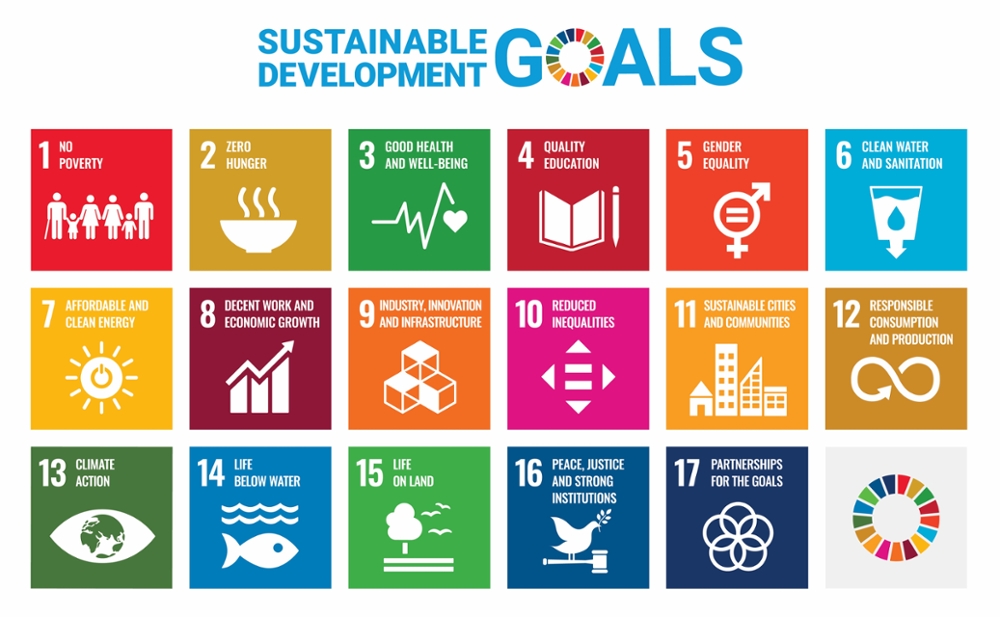
Our University Plan 2025 commits us to be “The University the World Needs”. This means harnessing our talents and resources to respond to contemporary challenges and opportunities. The Critical Path to Sustainability strategy lays out an ambitious set of five goals and 17 actions that responds to these challenges and opportunities. We commit to achieving them by 2030, aligning with the Agenda Sustainable Development Goals.